Character begins with a readable gesture
A companion can reveal curiosity before it takes a single step. The angle of its head, the distance it keeps from the explorer and the way it reacts to an unexpected sound all communicate personality. In Wild Wonder, these gestures need to remain readable from the normal playing view. Art and animation therefore begin with the character’s role in a scene, rather than a list of impressive movements. An expressive reaction should help the player understand the relationship as well as enjoy the moment.
A consistent world with room for variety
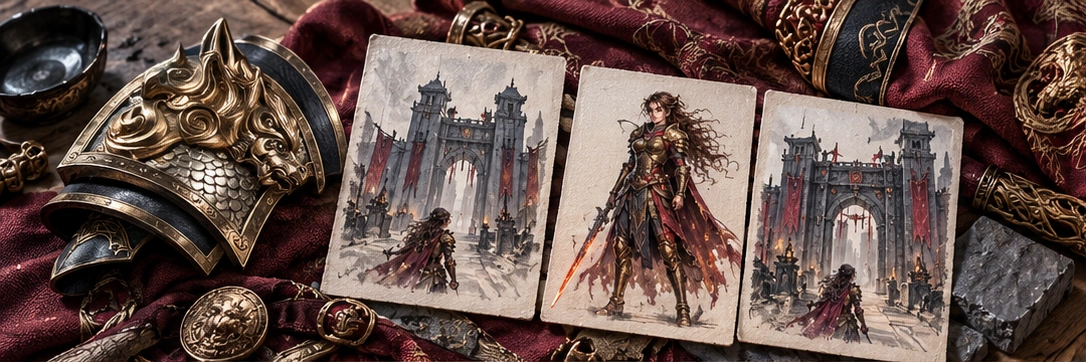
The coastal path and mushroom grove can feel different while sharing the same visual foundations. Proportion, materials, lighting and the treatment of faces connect their characters and scenery. Within that foundation, each habitat can develop its own palette and shapes. This balance allows the world to remain recognisable without becoming repetitive. The website follows the same principle: a game receives several distinct images from its own collection, while its characters and atmosphere remain consistent as visitors move from a card to a feature story.
Motion that belongs to the creature
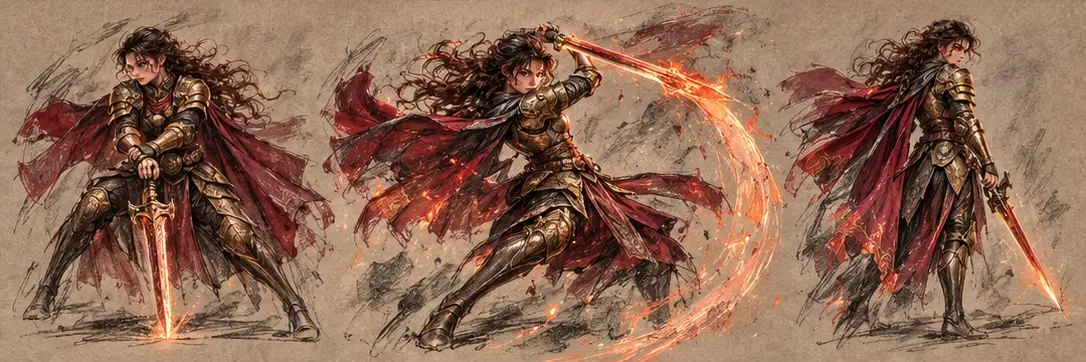
The white dragon should not move like a smaller woodland companion. Its weight, pace and attention give it a particular presence, while the smaller creature’s quick changes of direction suggest another way of experiencing the island. Those differences need to work alongside practical movement and interaction. Animation can communicate anticipation before an action, weight during it and a clear return to readiness afterward. The aim is to make each creature feel individual without sacrificing the information the player needs to navigate or respond.
Make the important moment visible
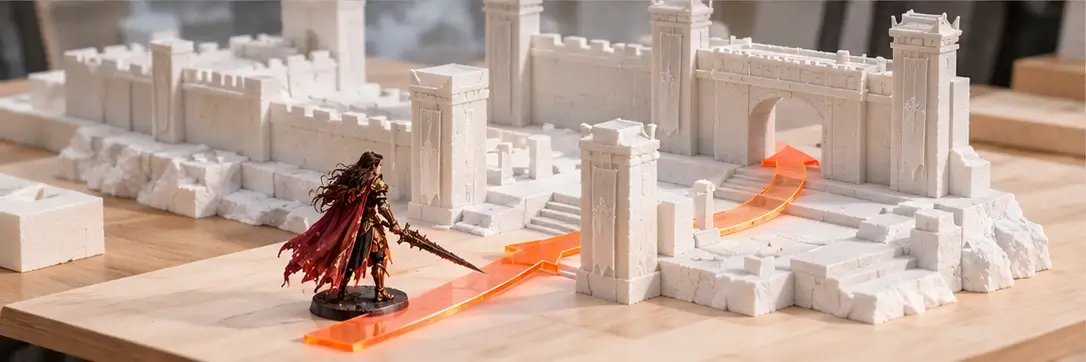
Effects, lighting and environmental detail can enrich a scene, but they can also hide the interaction at its centre. Artists and animators work with designers to establish what the player should notice first. A companion discovering a hidden opening may need a quiet background and a clear gesture more than additional particles. A dramatic arrival may benefit from a short pause before the character moves again. Restraint gives important moments space, making the experience feel intentional rather than constantly busy.
From a still image to a relationship
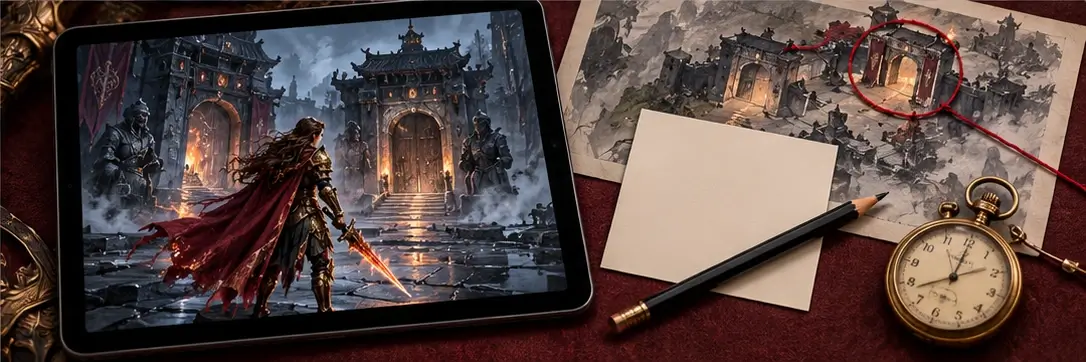
A strong illustration introduces a world. A strong sequence of actions allows a player to form a relationship with it. The craft involves checking how a pose connects to the next movement, how a character reacts to other characters and how a repeated action can remain pleasant to see. This essay introduces the art and animation discipline through Wild Wonder’s visual direction. It offers a substantial look at the thinking behind character expression and consistent worlds, while keeping recruitment and real employee information separate from this studio journal.