A world shaped by curiosity
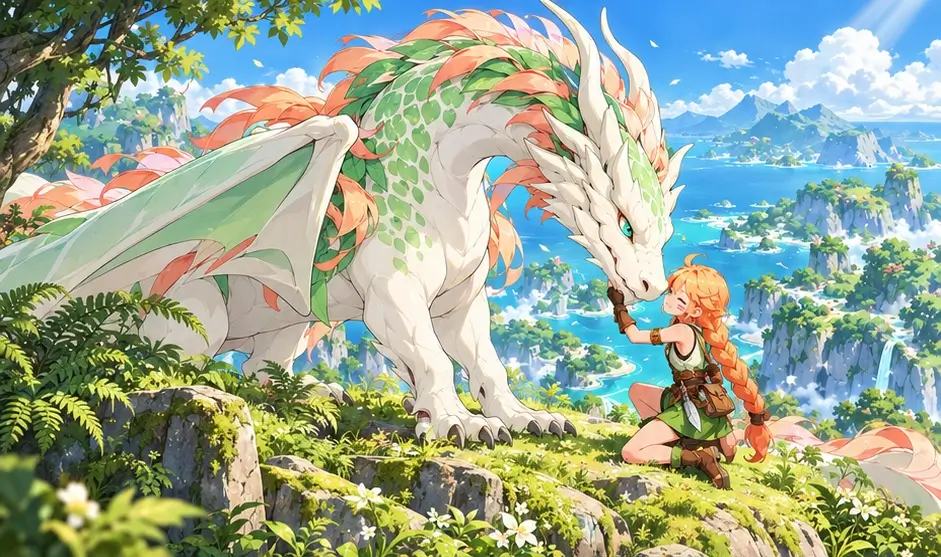
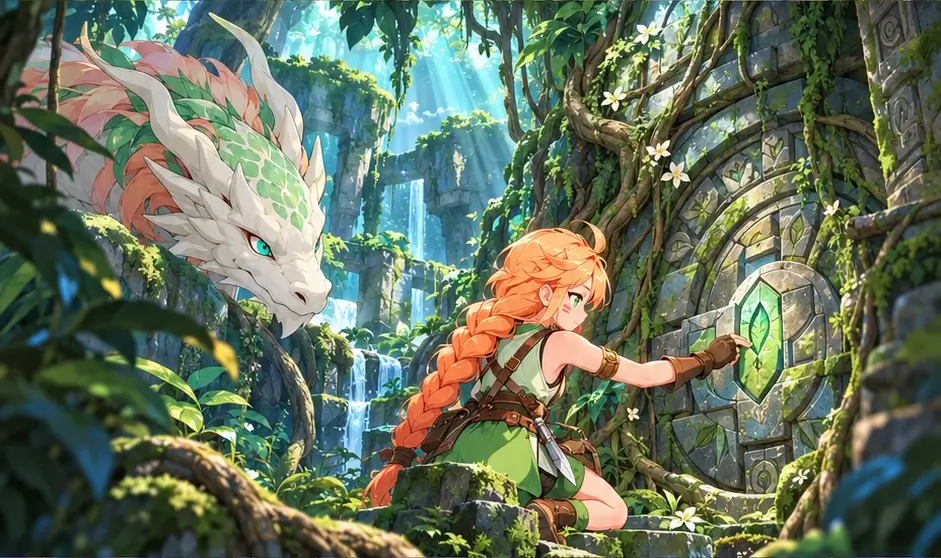
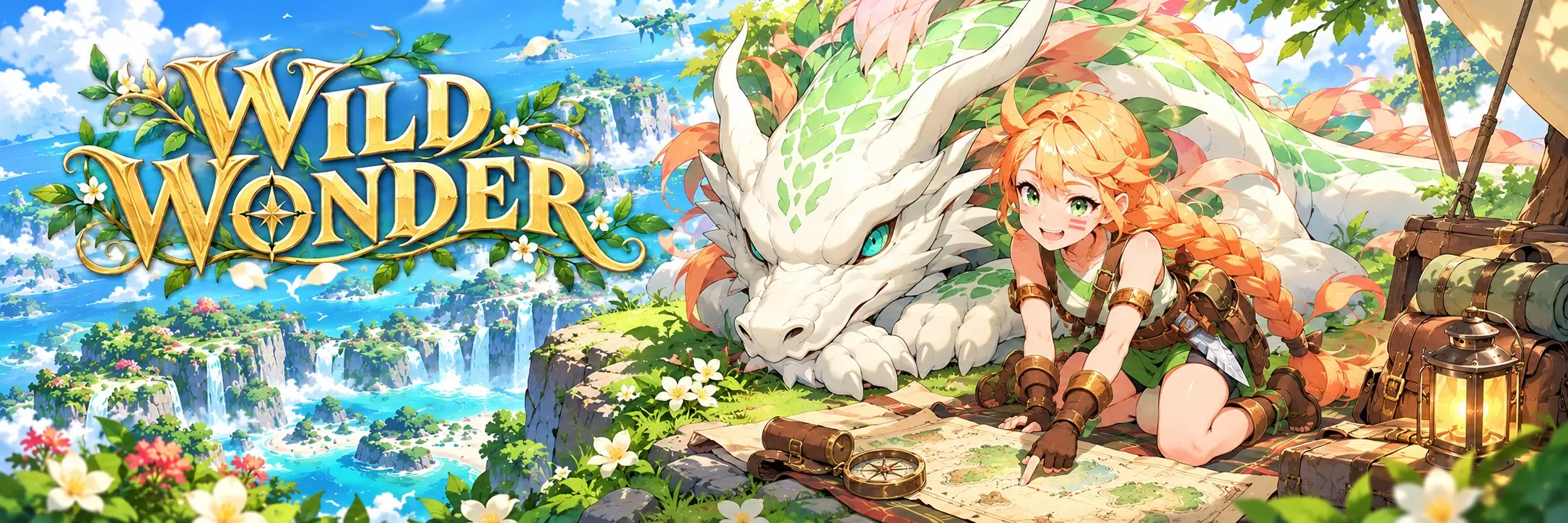
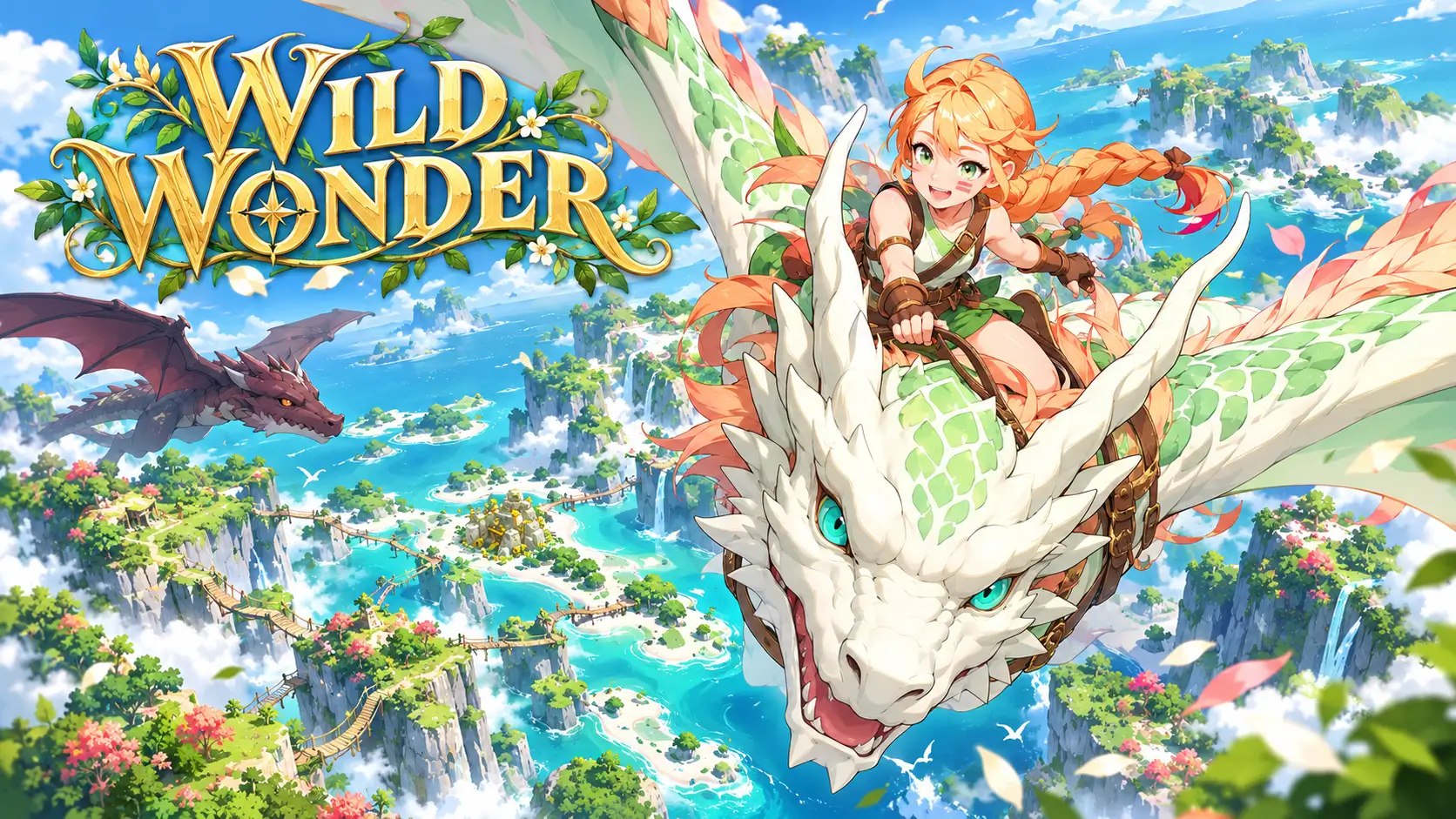
Wild Wonder explores incidental discovery through a red-haired explorer, a white dragon and an island full of expressive creatures. This world study considers how a practical design decision can also strengthen a relationship. The intention is an adventure where a player can understand what a companion is doing while remaining curious about what it will notice next. Character, landscape and interaction need to support the same experience. A small moment becomes meaningful when it belongs to the larger journey and gives the player a reason to pay attention.
A moment worth noticing
A path does not need a major secret at every turn to invite attention. A curious creature, an unfamiliar plant or a view that appears after a bend can give the explorer a reason to slow down. These discoveries work together with larger destinations. Some offer practical information, while others establish the character of the place or create a shared reaction between companions. The important distinction is purpose: a small detail should contribute to the experience around it. A collection of unrelated surprises can feel busy, but a few coherent moments help the player remember the journey between its more dramatic landmarks.
Make the relationship readable
The presentation of incidental discovery begins with what the player needs to recognise. A gesture should remain clear against the environment, and a change in behaviour should have enough time to be understood. Use the creature’s posture, proximity and attention together rather than relying on a written label alone. The environment can help by giving the important moment space. A quieter background or a deliberate pause may make a reaction more expressive than another effect. Readability protects the relationship from becoming lost in the visual detail of the scene.
Build the scene in conversation
Design, art and animation bring different questions to incidental discovery. The first establishes what the moment means for the player, the second connects it to the island’s visual identity and the third gives the characters a believable response. Sound can guide attention without announcing everything in advance. Share a working version while these perspectives can still influence it. A useful discussion describes what the player notices, what they understand and what they choose next. Those observations make revision more specific than asking whether the scene simply feels charming.
Carry the discovery forward
The result should contribute to the experience of travelling with companions rather than sit apart from it. Revisit incidental discovery during a later journey, when the explorer and the player have more familiarity with the island. A recognisable behaviour can gain another meaning through that changed context. Good craft preserves the world’s bright, playful identity while allowing its relationships to develop. Wild Wonder is designed as a place where progress includes understanding creatures, noticing a living habitat and finding new possibilities in a familiar view. Each discovery gives the next journey a little more character.
Explore Wild Wonder