Start with the player’s decision
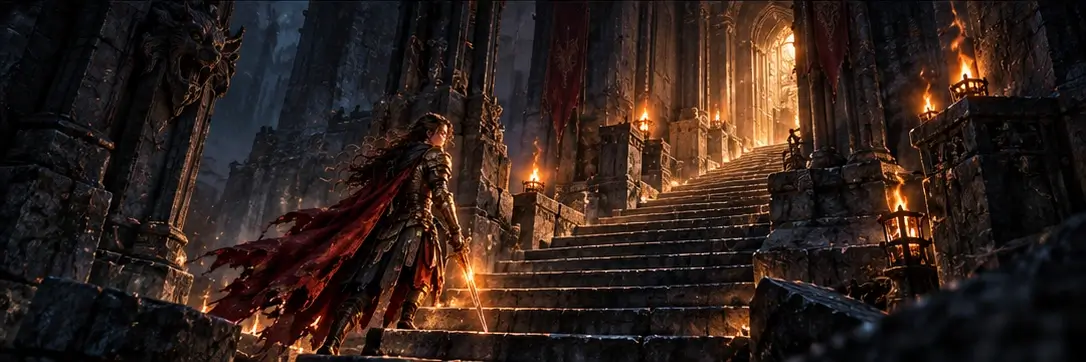
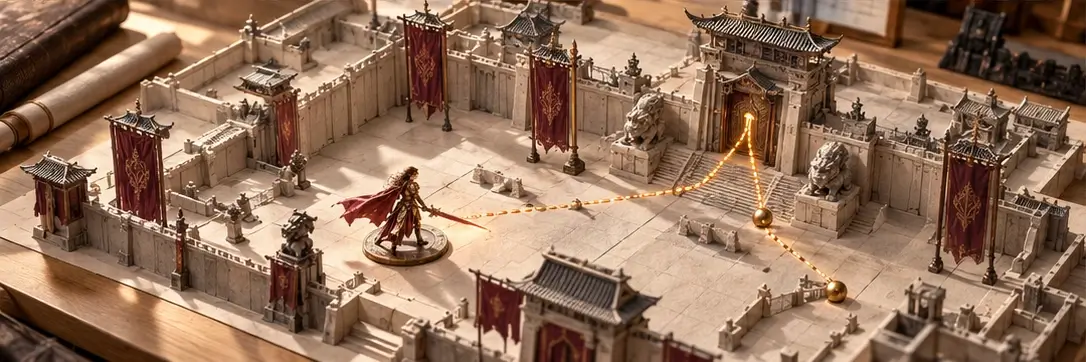
Game design begins with a person deciding what to do next. A landscape, a conversation or a battle can offer many possibilities, but the player needs a useful way to understand them. In The Wild Frontier, choosing a route should connect to preparation, party skills and curiosity about the land ahead. The role of design is to make those relationships clear enough to act on, while leaving enough uncertainty for discovery. A meaningful choice asks the player to consider something that matters and then allows the result to become part of the journey.
Build systems that speak to one another
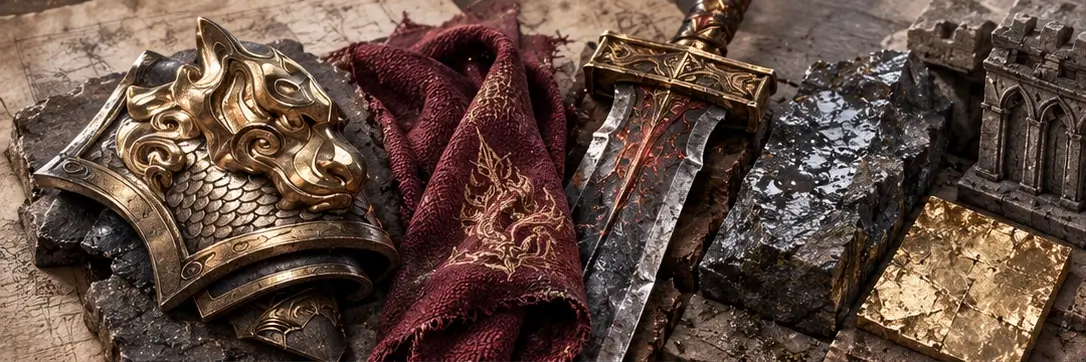
An equipment system has more purpose when it connects to the environment. A companion becomes more memorable when their skill changes how a place can be explored. A camp feels useful when its improvement opens a practical possibility elsewhere. Designers look for these connections before adding separate layers of complexity. The proposed Moonshot worlds each have a small group of central ideas that guide their systems. This helps an interaction feel like part of a complete experience, rather than a feature that exists because similar games happen to contain it.
Make feedback specific
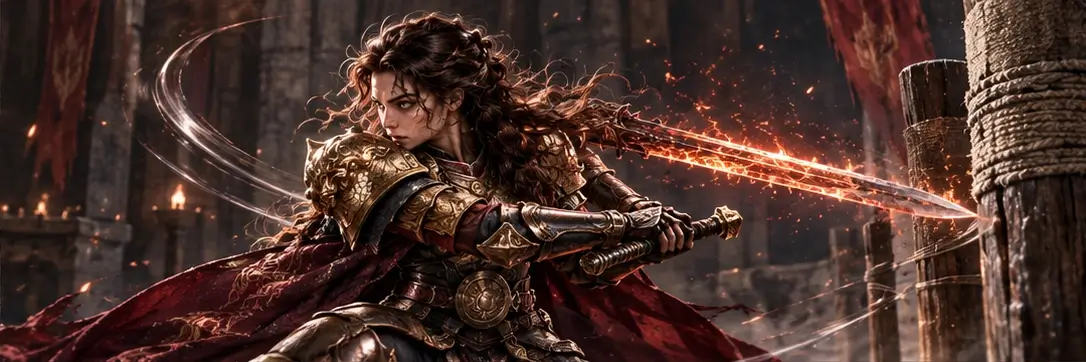
Good feedback tells a player what happened, why it happened and what they can try next. This does not always require a written explanation. A guardian’s broken ward, a newly accessible path or a workshop that visibly gains a useful tool can communicate progress directly. The challenge is to choose feedback that supports the intended decision. Too many notifications can obscure the result; too little information can make an experiment feel arbitrary. Design work includes finding the smallest clear response that makes the player’s action understandable and worth remembering.
Test the question behind the mechanic
A mechanic can function correctly while asking an uninteresting question. Testing therefore needs to consider more than whether a button works or a reward appears. Does the player recognise the choice? Do the alternatives have different practical consequences? Can a first attempt lead to knowledge that improves the next one? These questions help reveal whether a system supports the world’s promise. Iteration may simplify a feature, remove a redundant step or strengthen the relationship between an action and its result. Each change should improve the experience the player can actually perceive.
A craft of careful revision
The most useful design documents explain an intended experience clearly enough for other disciplines to contribute. They identify the player’s goal, describe the important decisions and show where art, animation, sound and engineering can reinforce them. They also remain open to revision when a working version reveals something the document could not predict. This discipline essay describes a way of approaching game design within the Moonshot studio. It is a reading resource about the craft, rather than a live vacancy or a claim about a current recruitment process.