The strike has an afterlife
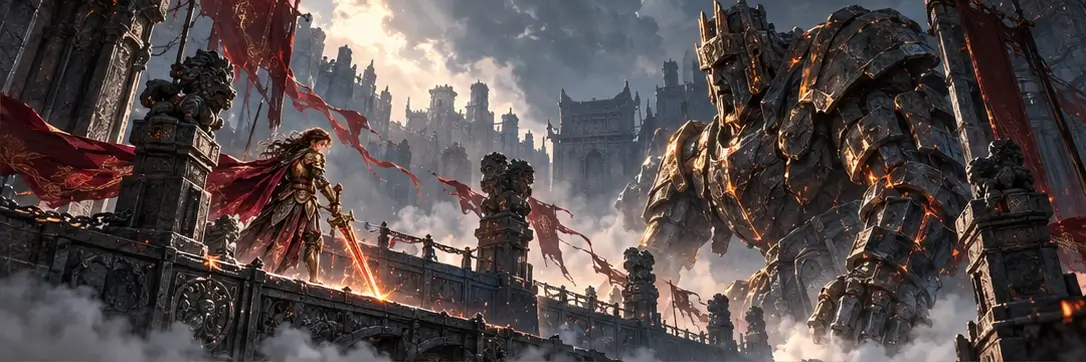
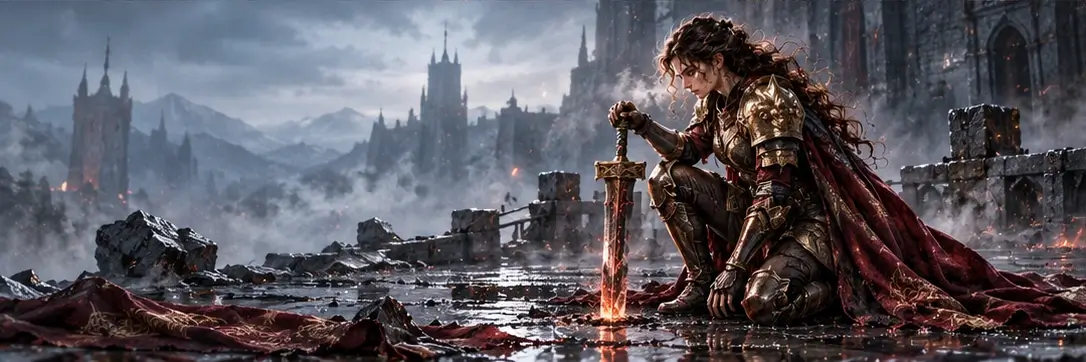
A guardian's heavy blow lands on the sanctuary floor. The interesting design question is what happens after the impact: does its shoulder continue through, does the weapon lodge briefly, does it need to gather its feet beneath its body? That aftermath can expose the cost of the action. Without it, weight lives entirely in sound and screen shake, while the creature seems free to attack again immediately. For Shadow & Ember, a readable recovery could give the brown-haired knight an opening earned by observing commitment rather than by guessing at a hidden timer.
Mark the return to readiness
The player needs to see both the opportunity and its end. A guardian dragging its blade back across the floor may be recovering; lifting that blade into a familiar guard can show that the window is closing. Do not reserve all the visual attention for the impact and leave readiness as a nearly invisible transition. The endpoint matters to anyone choosing whether to advance or hold. It also needs to agree with the underlying rules. If an enemy can retaliate while still visibly struggling to stand, the animation has taught the wrong boundary.
Make commitment a choice
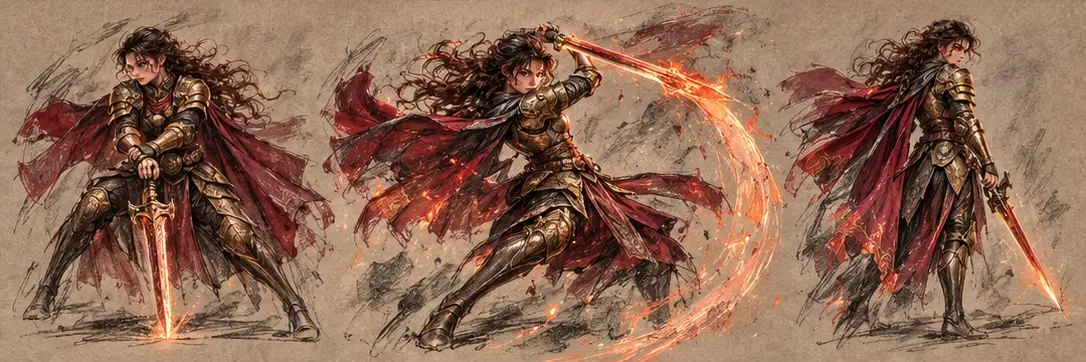
The knight's actions need consequences too. A forceful shield response might create space but leave her poorly placed to protect an ally. A shorter strike might preserve movement while dealing less disruption. Recovery can express those trade-offs through stance, position and available follow-up actions. It need not be a punishment added equally to every move. Different commitments should produce different questions. A tactical concept gains depth when the player chooses a manageable aftermath, rather than always selecting the largest attack and waiting through the same compulsory pause.
An opening need not mean damage
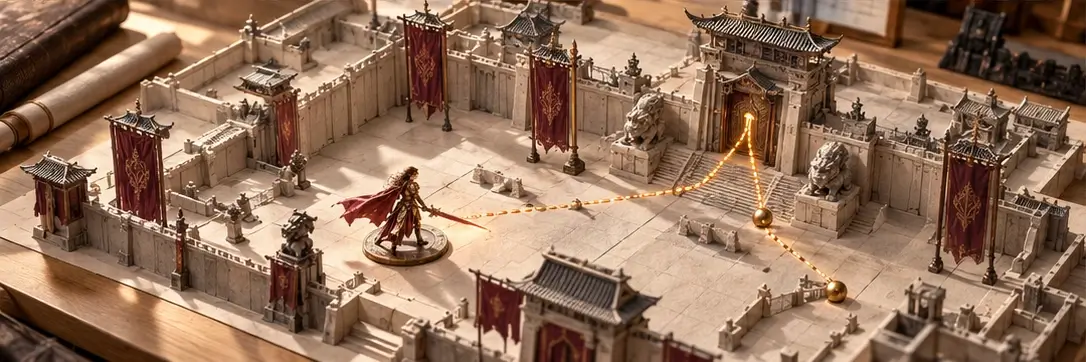
A recovery window can be used to strike, bring an ally out of danger or reposition the ember lantern near a failing ward. Offering these alternatives changes the rhythm of the encounter. The guardian's stumble becomes a moment to reconsider priorities, not merely an instruction to hit the glowing weak point. Make the available time consistent enough that the player can form a plan, while allowing harder encounters to reduce or reshape it visibly. If a later guardian recovers faster, its lighter weapon or altered stance can help explain why.
Respect the intention at the boundary
Where the concept uses live inputs, a command issued near the end of recovery should receive a predictable response. A small input buffer may preserve the player's intended next action; a visible refusal may explain why another action is unavailable. Silent loss of input makes a meaningful commitment feel like an unresponsive control. Review the full sequence from decision to readiness, including interrupted attacks and successful blocks. Recovery is valuable when it makes cost and opportunity understandable. Its exact length depends on the combat model, and should not be borrowed wholesale from a different game's pace.
Explore Shadow & Ember